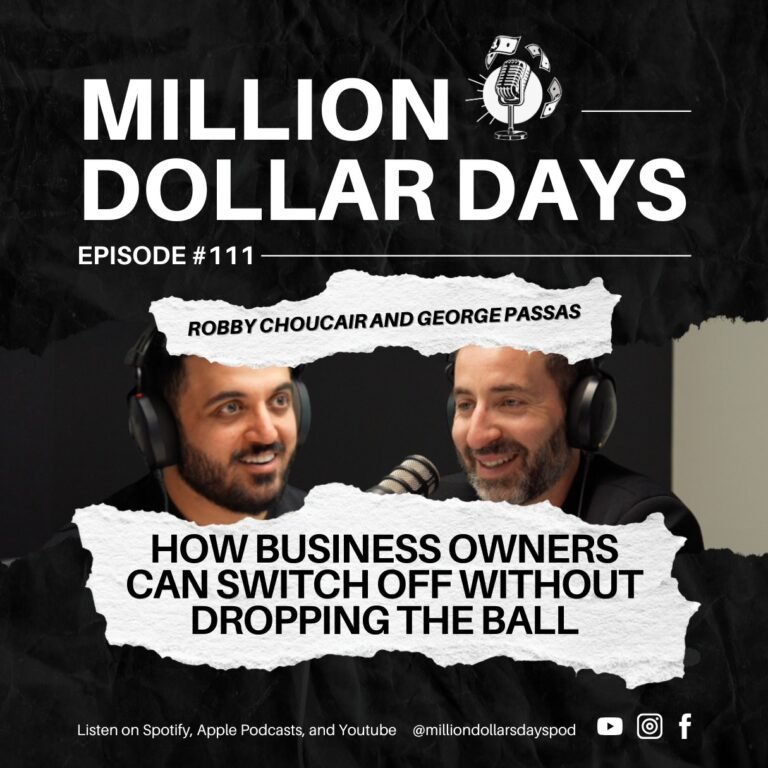
The final stretch of the year exposes two forces that pull in opposite directions: the urge to switch off and the pressure to finish strong. In construction especially, that push-pull isn’t just stressful, it’s dangerous. The last few weeks of the year carry a spike in errors and injuries, not because people stop working, but because attention fractures under overload or pseudo “holiday mode.” The remedy isn’t heroics; it’s systems. We unpack practical planning habits—four-week look-aheads, proactive trade bookings, clear lead times—that turn guesswork into guardrails. When supervisors collaborate early with subcontractors on accurate durations and capacity, fewer surprises hit the critical path, and site safety improves because the work tempo stops oscillating from frantic to idle.
Operational maturity shows up in small choices repeated daily. A builder who centralizes invoicing to a single accounts channel, uses ABA runs on fixed cycles, and sets clear payment terms isn’t being rigid; they’re buying back attention for the hard problems. Similarly, creating email rules, removing unnecessary CCs, and defining who owns scheduling keeps the owner out of the weeds. We talk about strategically saying, “Call ops,” not to be precious, but to train the system. Owners who insist on being the switchboard become the bottleneck; owners who design the workflow become free to think. That same logic applies to phone boundaries—Do Not Disturb windows, silent defaults, and permission to miss non-urgent pings. Less dopamine, more deep work.
Still, there’s a human side to switching off. We explore the guilt and the pull to bring a laptop on holiday, and the honest answer many avoid: most businesses aren’t mature enough to let the owner fully unplug. The path out is talent density. Hiring people better than you, granting real authority, and replacing “founder knowledge” with documented, shared systems converts the owner from operator to true executive. Mentors, playbooks, and paid expertise compress years into months. Yes, you’ll pay, and yes, you’ll still learn the hard way sometimes. But the bill for going slow is higher. You can skip parts of the grind by borrowing judgment from people who’ve already paid for it.
Rest isn’t a luxury; it’s a tactic. Time away—whether it’s a 16-hour flight to clear the inbox or a reception-free weekend in the bush—resets perspective so you can see the box you’re stuck inside. We tie that to discipline properly defined: doing the unglamorous thing without immediate reward. Posting weekly for 111 weeks. Holding DND from 7 p.m. to 10 a.m. even when the group chat buzzes. Building next quarter’s pipeline while everyone’s at the pub. The paradox: rest makes you faster, and boundaries make you available for what matters most. That might be a high-stakes summit, a quiet brand sprint, or making core memories with your kids that outlast any invoice run. Price tags rise and fall—Disneyland isn’t cheap—but presence is the real dividend. Choose systems that protect it.