Going viral feels like a finish line, but it rarely is. The story starts with a twenty-second comedy clip about a jet ski that soared past three million views while carefully produced business content lagged behind. That gap opened a useful debate: quality of content is not quality of video, and category size shapes reach. People watch movies more than documentaries, dopamine over discipline, entertainment over education. Platform behavior reinforced it—Instagram and Facebook surged, TikTok followed, YouTube lagged. Reposting proved worth testing, because the asset, not the schedule, carried performance. The question became sharper: which metric matters, views or value? If you sell books, tickets, consulting, or construction, impressions mean little unless they move the back end.
That tension echoes across creators and operators alike. Alex Hormozi’s swing from broad, lifestyle-friendly content back to tactical, money-making advice underlined the trade. Views climbed, revenue fell, then reversed when he focused. The lesson: match content to outcomes. Comedy can open doors to sponsorships, but clarity keeps the brand bankable. A thousand haters will show up in the comments regardless; some days they gift you reach. What matters is whether the audience that stays can use what you offer. That’s why brand should include the person—hobbies, humor, human flaws—without losing the spine: consistent, useful work that solves problems your buyers actually have.
From screens to steaks, even the carnivore diet cameo mapped to systems and honesty. The diet felt easier than expected, energy held steady, and cravings faded with time. Tracking revealed how assumptions lie—ten eggs are a thousand calories, four are not. The meta-lesson: measure, don’t guess. Simplicity wins sustainability. It’s the same with content and business operations: reduce decision fatigue, build routines, and choose a few inputs to track relentlessly. When the aim is leverage, habit formation beats inspiration. You don’t need perfect prep or gear; you need a repeatable way to ship.
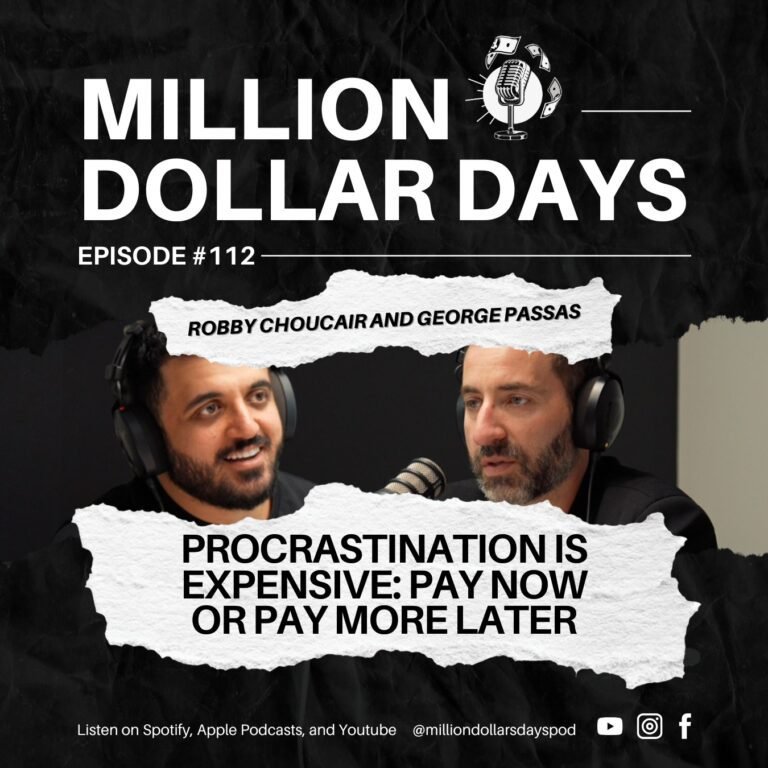
The heart of the episode is procrastination. Not as a quirky trait, but as a tax that compounds. We procrastinate from fear of judgment, discomfort, or perfectionism dressed as standards. The cost isn’t just missed tasks; it’s mental rent and delayed cash flow. Pain avoided is pain intensified. Most hard things don’t get better with time; they get bigger. Fire the wrong hire late and you pay twice—in culture and cash. Delay a tender and you risk the project that makes your quarter. The fix is not sophistication, it’s motion. Chunk big work into next steps. Decide quickly because few decisions are permanent. Use a simple board or a digital tool with four buckets: do now, do later, delegate, eliminate. Then focus on one item at a time with deep work—phones off, brain on. Multitasking is just fast context switching with more errors.
Blind spots make procrastination worse. Some you can’t see alone. That’s why mentors, peers, and frank feedback matter. A single outside question can dissolve a year of stuck thinking. Build a cadence for truth: weekly reviews, written priorities, and a person who will tell you what you don’t want to hear. Add momentum by shipping something daily—video, call, quote, proposal. Momentum creates identity, and identity sustains momentum. If you need a push, write down the one conversation you’re avoiding and the next smallest step to start it. Do it before you sleep. If you need a mantra, keep this one handy: speed matters, action compounds, and value beats vanity every time.