
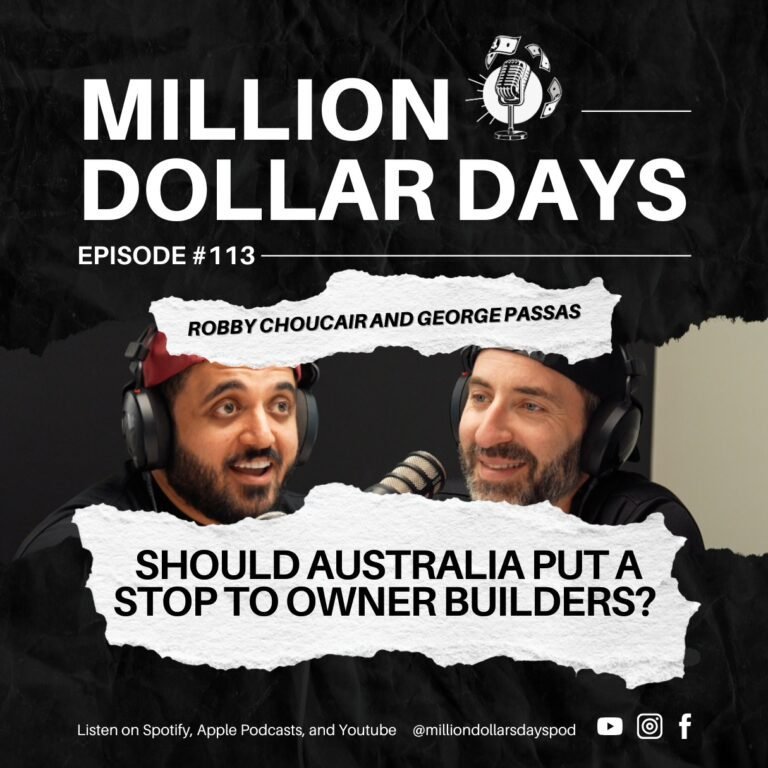
The episode opens like a movie: a camping trip turns into a wind-lashed scramble, busted tents, metal awnings snapped, two dogs bracing the storm, and a lonely campsite watcher who nearly gets blown away. The chaos follows Robbie home, where highway lights bloom in the rear-view and a routine speeding stop becomes a gut punch: five months unregistered on a company car, an on-the-spot permit, and a four-figure fine. That single traffic stop unravels a bigger frustration with VicRoads and the uneasy power of monopolies. If all these systems can take your tolls, issue your parking tickets, and accept your payments, why can’t they warn you when a registration lapses? It’s not just irritation; it’s a symptom of poor coordination that leaves ordinary people paying for administrative blind spots.
From there, the conversation widens into a tour of bureaucratic inertia. Luxury car tax that outlived local car manufacturing. Stamp duty born in wartime that outlasted its purpose. Planning approvals that stretch into years, siphoning projects into the red through holding costs and piece-meal requests. George’s construction experience grounds the anger with lived examples: routine permits that take months, then require another 20 business days for a quick inspection; planning rounds that change trees, bricks, and shadows in slow motion; and developers who finally walk away because the math dies on the delay. The thread is clear: when there is no competition, service falls, costs rise, and accountability thins. People notice and they leave—sometimes the suburb, sometimes the country.
After the venting, Robbie flips the switch: he wants to change George’s mind about owner builders. George swings hard against the idea. His case is blunt: most owner builders lack the skills, time, and leverage to deliver a quality, on-time, on-budget home. Trades price them higher, reschedule them last, and lean on them to run coordination they don’t understand. The result is delays, cost blowouts, and hidden defects behind clean paint. A builder knows where 100mm matters and when a footing must go deeper than the drawings suggest. A builder carries day-one-to-handover systems—programs, sequencing, variations, documentation—that protect the owner from a thousand small mistakes. And when the drawings are vague, a builder can manage risk; when rock hits, they know how to price the unknowns without wrecking the job.
Robbie pushes back with modern tools: if AI can teach the lingo and outline steps, could a motivated owner bridge the gap? George concedes AI can educate but insists the gap isn’t vocabulary, it’s judgment and orchestration. Still, the conversation lands somewhere practical. If owner builders must exist, tighten the framework. Require minimum education—short, focused courses on sequencing, codes, contracts, and estimating. Mandate stage inspections beyond slab and frame: roof and roof plumbing sign-off, rough-in verified for electrical and plumbing, waterproofing proofed, pre-plaster checks, and a tougher final. Consider accredited consultants—registered builders or project managers—who provide five to ten fixed-price inspections with pass-to-proceed gates. This preserves ambition without sacrificing safety and reduces the risk of expensive failures buried in walls and floors.
When they step back to the market picture, the numbers are startling: around 40,000 owner-builder projects a year—roughly a quarter of the total pipeline. Remove owner builders entirely and the industry might absorb some of that demand, drive healthier competition, and lift quality. But it would also put new homes out of reach for many. That’s where the middle path matters. Reform owner building so it becomes a structured option: education, inspections, documentation, and independent oversight. Pair it with better consumer decision-making: choose builders on more than price; look for real brands, professional communication, deep documentation, and transparency about risk and variations. These habits improve outcomes whether you build with a pro or manage it yourself.
The show closes on action. If you’re a builder, sharpen your business as much as your craft. Technical skill is not enough. The money people trust you with demands systems, forecasting, and clarity in contracts. If you’re an owner, demand better documentation and resist the cheapest price urge. Ask for process, stage timing, and what happens when unknowns hit. If you’re set on owner building, commit to education and third-party checks. Building a home is a complex orchestra. Freedom is fine, but only if the music holds in the long run.