
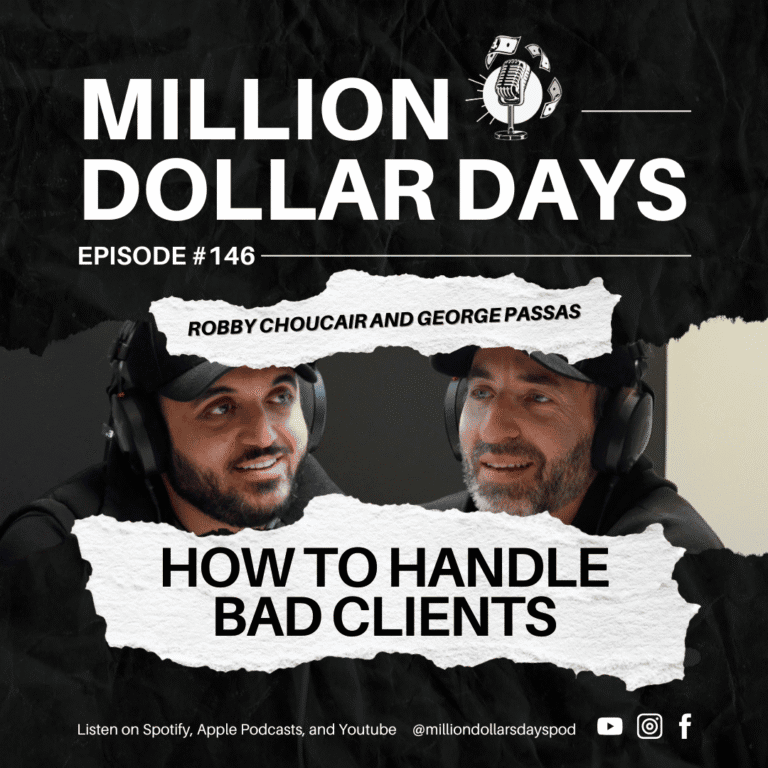
The conversation starts in a surprising place: a World Cup final recap, the drama at the end of the match, and whether the halftime show lived up to the hype. Then we pivot to what the emotion of sport reveals about business leadership, especially in the construction industry in Australia. Passion is contagious, but so is negativity, and we keep hearing the same line from builders and trades: “It’s tough out there.” We unpack why that story spreads so fast, what it does to your decision-making, and how it quietly lowers your standards around clients, cash flow, and risk.
A core theme is that mindset is not “woo,” it’s a business tool. If your default lens is doom and gloom, you stop noticing opportunity, you stop negotiating, and you start accepting jobs you should refuse. We use the “red car theory” as a practical way to explain selective attention: what you look for expands. The same market can produce two outcomes depending on what you’re focused on, whether that’s problems, solutions, or the leverage points that move profit. We also call out ego, like chasing the “luxury builder” identity while ignoring the only scoreboard that matters: do you actually make money and stay sane?
From there we get tactical on improving construction quality and accountability. We argue for more registered trades, not just plumbers and electricians, but areas like waterproofing where failure can cost years later and the builder still wears the liability. We talk about how regulation and home warranty insurance changes create more red tape, and how AI in construction and tools like ChatGPT can cut both ways. Customers feel “more educated,” but that confidence can turn into unqualified second-guessing, disputes, and payment friction. Better systems, clearer scope, and tighter documentation matter more than ever.
Client management for builders becomes the centerpiece: boundaries, trust, and process. We share real scenarios where one client stays reasonable while another spirals, even with the same service. That leads to a hard truth: some clients are pre-loaded to distrust builders, and no amount of politeness fixes it. We break down how variations should be handled, why doing work without written approval invites conflict, and how late payments should trigger immediate notices instead of endless “let’s just get through it.” A strong building contract, clear payment terms, and the willingness to pause work protects the business and your team’s mental health.
We also get honest about gut instinct and walking away. One story covers a nightmare renovation client that ended in court and mediation, and the lesson that legal fights often become ego with a price tag. Another story shows a profitable-looking townhouse contract that got declined because the clauses pushed all COVID delay and material escalation risk onto the builder, a decision that likely saved the company. The episode closes on investing in coaching and personal development, because buying skill is often cheaper than buying mistakes, plus a blunt reminder from funerals and mortality: the safest choice is not always the best choice. Build the business that lets you leave for three weeks and actually be present.