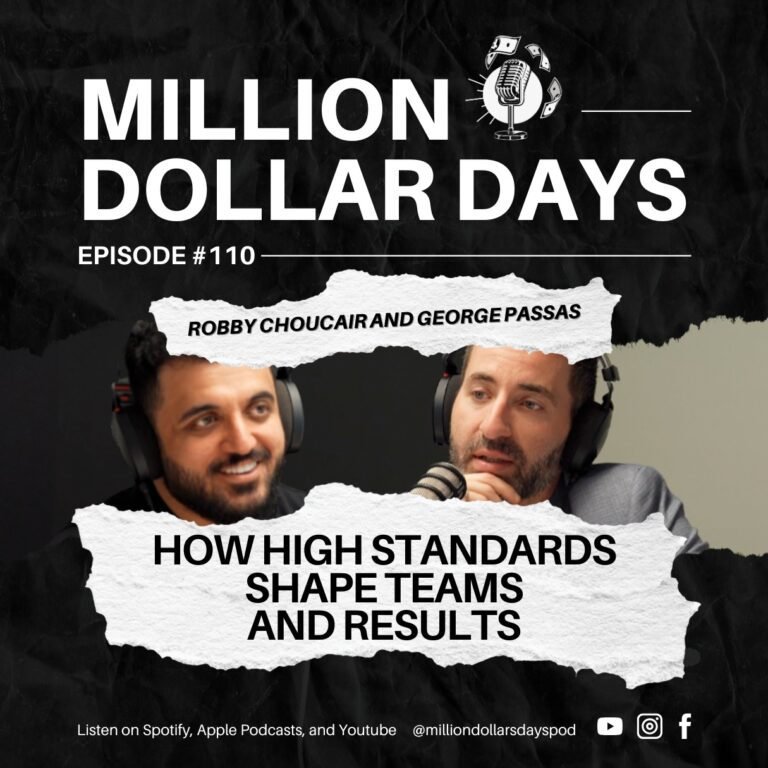
Leaders talk about high standards, but few define them. This conversation dives into where expectations meet empathy, especially as teams wind down for holidays and construction sites slow. We break apart the risks of drift—where small exceptions become norms—and why clear non-negotiables beat vague good intentions. A recurring theme is readiness: being early, being prepared, and curbing the “we’ll sort it out later” mindset that quietly erodes performance and brand. The discussion challenges the idea that peak standards are inherently tyrannical; instead, it presents standards as a service to teams, clients, and safety.
We explore the spectrum: from permissive cultures where deadlines slide to hard-edged environments that deliver short-term results and long-term attrition. Real stories from construction sites illuminate how a supervisor’s early arrival can prevent blocked access, broken pits, and compounding delays. In digital work, a shutdown period exposes a similar truth: staying visible matters, and scheduling content or keeping ads on can win attention while competitors sleep. The throughline is accountability: what you signal through time, attention, and consistency becomes your default culture, whether you declare it or not.
Standards become credible when they are specific, communicated, and repeatable. That means publishing start times, response expectations, site readiness rules, and client communication norms, then reinforcing them in quarterly meetings and 1:1s. The “standard you walk past” isn’t a slogan—it’s an operating system. Patterns of lateness, for instance, call for direct feedback, not public shaming: surface the facts, seek context, clarify the rule, and outline consequences. Leaders who track patterns instead of reacting to isolated moments make better calls on performance plans, training, or exits.
Ambition complicates standards. Founders often rate tasks at a personal “level 10” and expect level 10 from everyone. The fix isn’t lowering the bar; it’s diagnosing the gap. Is the shortfall due to skill, time, tooling, or ownership? If it’s skill, train and show what “10” looks like. If it’s time, remove blockers and stack-rank priorities. If it’s tooling, standardize processes and templates. If it’s ownership, define outcomes, not just actions, and review weekly. This practical breakdown respects people while refusing to accept mediocrity disguised as busyness.
Leadership style isn’t fixed. The conversation advocates a blended approach—direct when safety, cost, or reputation is at stake; flexible when creativity, recovery, or learning is needed. Values anchor that blend: start early to match site operations, serve trades by being reachable when it matters, and protect mutual respect in every interaction. Hiring then follows values: pay for capability, demand high performance, and set the line on day one. A-players seek A-players; they also report underperformance because they care about the result, not the optics. That peer pressure can keep standards high without constant top-down policing.
Finally, feedback is framed as honesty over avoidance. Pain delayed is pain intensified, so leaders should set frequent review cadences, ask, “Is this patience or avoidance?” and choose speed when brand or safety is at risk. The paradox remains: push hard without burning people. The resolution is clarity. When standards are explicit, measured, and reinforced with training and recognition, teams know what “good” looks like and how to reach it. In quiet seasons or chaotic ones, clarity is an edge that compounds.