
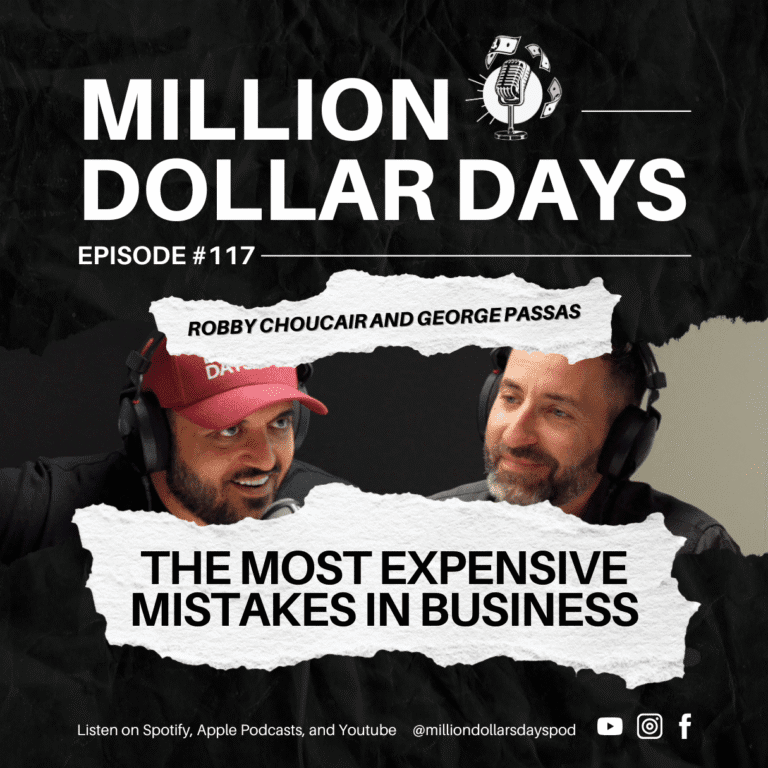
The conversation opens with a jolt of honesty: the rush of returning to work only to feel like nothing has changed. That sensation—same desk, same fires, same patterns—creates a loop that kills momentum. The hosts unpack how to break it with intentional resets and strategy. A simple drive out of town turns into a strategic reset: shifting talk from projects to investments, options, and portfolio diversification. That pivot becomes the theme—stop doing more of the same and start designing work that compounds. Block time for the “shits and bits,” then set non-negotiable windows for the future-focused work that actually moves the company.
The core move in the episode is identity: step out of operator mode and become a real CEO. The hosts lay out the mechanics: promote a strong second-in-command to own the sites and delivery, then remove yourself from invoices, contract admin, and recurring approvals. That’s not abdication; it’s delegation with standards. The plan includes aggressive hiring for management and site roles once a key project lands, plus the courage to back that team while you drive the business forward. When your time shifts from operational friction to strategy, sales, and brand, your ceiling lifts.
A decade of lessons lands hard. The first regret: ignoring brand early on, missing years of compounding attention when organic reach was cheap. The second lesson: stop learning everything the hard way and buy time with mentors. The mindset shift is simple—pay for speed, not just information. Third, pay for A-players. Ask not “what’s the cheapest salary?” but “what would it cost to buy back this function completely?” Senior hires reduce chaos, increase trust, and free you to focus on growth. Systems matter, but only if people actually use them.
Standards drive everything. The single most expensive mistake? Being lenient on client payments. The fix is direct: set expectations at contract signing, enforce late fees, pause work on late milestones, and never let “friendly” become “friends.” It’s not harsh; it’s responsible. Money flow fuels trades, keeps schedules, and protects morale. Equally, hold subcontractors to agreements. If someone tries to abandon a job at 80 percent, you don’t shoulder their burden—you enforce the contract and offer practical support to finish, but you don’t foot their shortfall. Boundaries protect the whole ecosystem.
Systems without compliance are theater. The team tackles adoption with clear, binary rules: complete site diaries daily, capture photos, follow document distribution, and timestamp tasks precisely—no room for interpretation. The philosophy is “why leave anything to chance?” Extend that across ads, content, scheduling, and reporting. If your life depended on someone completing a task, you would write it, film it, and illustrate it with examples. That’s how you design a culture that executes. Precision timing (like 6:30, not “between 6 and 7”) locks behavior.
Another thread challenges the myth of formal education as a shortcut. Real skill comes from doing, not reading about management styles. If you’re early in your career, get inside a functioning business and learn by proximity. For owners, the better path might be to buy a business with existing processes rather than reinventing every wheel. But whether you start or buy, the formula holds: design systems, demand compliance, hire for excellence, and enforce financial discipline. From there, you can shift to strategy—brand, partnerships, investment—and build something that scales without hollowing you out.
The final note brings it back to purpose. Business is a vehicle for personal growth because it forces you to confront your habits, your standards, and your courage to choose hard conversations over easy delays. You win when you stop repeating the same 12 months and decide to change the game: tighten operations, treat cash like oxygen, buy back your time, and lead. The work won’t get easier, but it will get better. Aim for excellence, not busyness. That’s how you build a company that moves.tes: brand is the story people choose to live in with you.