
Australia’s construction industry is supposed to be the engine room of the economy, but we talk about how it has become harder to run a profitable building business year after year. The biggest shift is not craftsmanship, it is compliance: regulations, council permits, traffic management plans, insurance paperwork, inspections booked weeks out, and long approval timelines for simple work like a crossover. Those delays add real cost, push out schedules, and force builders to price risk properly. We also unpack why reputable builders can lose work to cheaper tenders that quietly ignore these line items, creating a race to the bottom that punishes transparency and fuels mistrust in the construction industry.
We also dig into the stigma builders face and why the “dodgy builder” story sticks, even when most builders are honest. When someone’s home is their biggest investment, one failure becomes everyone’s headline, and the industry wears it. From a business perspective, the answer is not just better marketing, it is better systems: accurate estimating, clear allowances, and explaining the true cost drivers to clients before problems hit. If Australia wants more housing supply and affordable housing, we argue the path is to remove friction, reduce duplicative red tape, and stop treating builders as the default scapegoat when bureaucracy slows projects.
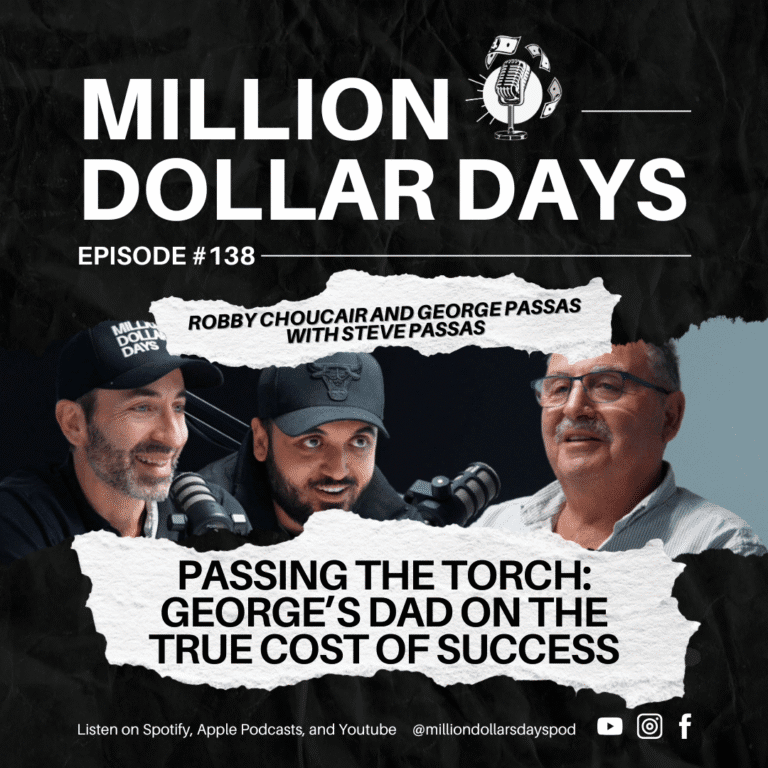
Steve’s story adds a powerful immigrant entrepreneurship angle: arriving from Greece as a teenager, learning fast in the food industry, then using that cash flow to move toward his real goal, building. It is a classic small business pathway, but with a twist: he learns by developing his own projects first, then earns trust to build multi-million dollar homes for friends. Along the way, we contrast “old school” building, hands on and simple, with today’s model where growth requires management, delegation, and brand building. We also explore the idea of “richness” beyond money through his village life on Lesvos, the slow rhythm of community, and how success can mean comfort, relationships, and belonging.
Then the conversation turns to technology, artificial intelligence, and the future of work. Steve describes his first smartphone as his first major tech leap, and why AI feels bigger than the internet. We talk AI adoption, fear of change, and how tools like ChatGPT style assistants can remove friction from everyday life, from booking travel to answering questions instantly. But we also sit with the darker questions: brain atrophy, loss of purpose, mental health pressure, and whether abundance arrives evenly or concentrates power. Finally, we get specific about robotics and autonomous vehicles, Tesla Full Self-Driving, geofenced robot taxis, and how transport, warehouses, and entry-level professional roles could be disrupted first, forcing workers and businesses to adapt faster than society feels ready to handle.