
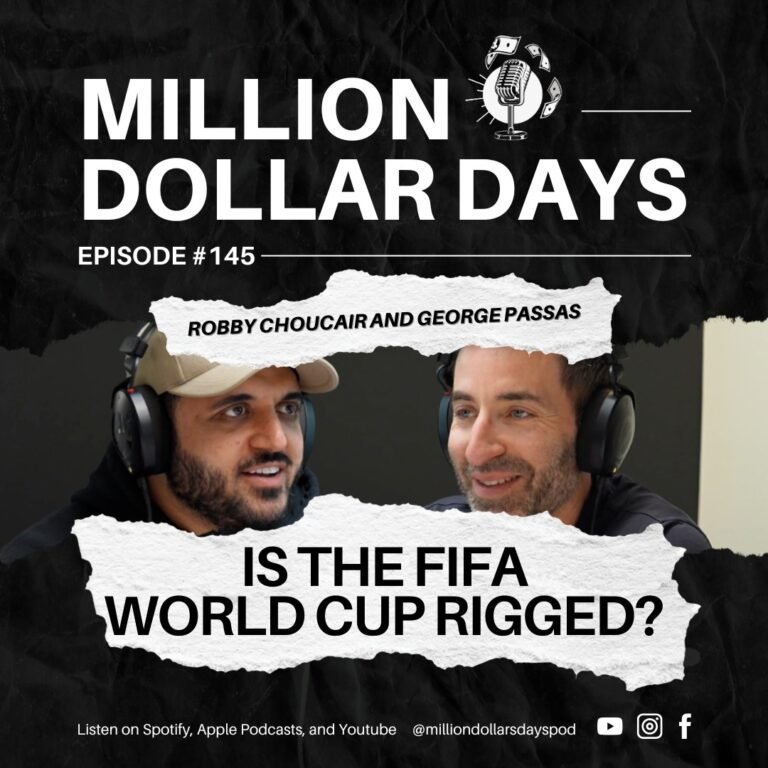
The World Cup always sells the dream of unity, and we start there: packed pubs, strangers swapping chants, and that rare feeling that competition can be a celebration of culture instead of conflict. From a sports psychology angle, global events amplify identity and belonging, which is why football fans cry over Messi and why a final can feel bigger than politics. But that same emotional buy-in creates the perfect environment for suspicion, because when people care this much, every ref call looks like evidence. We unpack how VAR decisions, controversial moments, and “easy draws” quickly turn into claims of FIFA corruption and rigged outcomes, even when the simpler answer is pressure and momentum.
From there the conversation moves into what corruption actually is in everyday life. The difference between a bribe and a finder’s fee sounds simple until you’re staring at a cash offer. A finder’s fee rewards a referral after a legitimate win; a bribe pays for influence before a decision is made. That distinction matters in business ethics, procurement, and any role with fiduciary duty. We talk through real examples from construction and commercial deals where “10k on the table” is treated as a cost of doing business, and why that breaks trust for everyone else bidding fairly. The broader takeaway: corruption thrives when incentives are misaligned and decision-making lacks transparency.
A real estate story makes the gray areas feel uncomfortably real. In sealed-bid style selling, information is power, and even “just telling someone where they need to be” can tilt the field against a genuine blind bidder. That leads into the suitcase-cash scenario: large, undeclared money raises immediate flags around money laundering, tax evasion, and compliance, even before you ask where the funds came from. The psychological tension is the point: most people want integrity, but risk-reward thinking and fear of authorities can override long-term values in a single moment. When the system feels unfair, people rationalize shortcuts.
The talk widens again to modern conspiracies: Conor McGregor’s sudden injury and the online belief that everything big is staged, then AFL equalization and the perception of behind-the-scenes deals that shape draws, draft picks, and player movement. We connect that cynicism to crypto market manipulation, influencer culture, and streamer wealth that looks impossible from the outside. The episode closes with a practical counterpunch: AI tools and AI agents as leverage. Instead of spending hours on repetitive project planning, reporting, and admin, an AI workflow can compress it to minutes, freeing time without needing shady shortcuts. The question we leave you with is simple and uncomfortable: if you believe the world is rigged, do you get bitter, do you get smart, or do you quit?