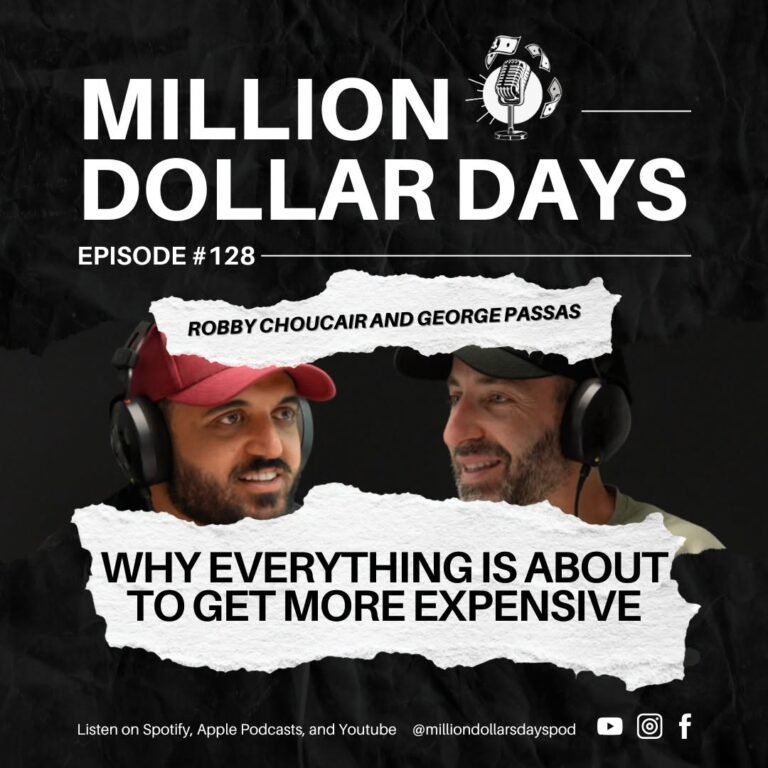
Everything feels more expensive right now, and it’s not just a meme. When fuel prices in Australia push toward $3 a liter, people instantly feel it in commuting, deliveries, and the weekly shop. That’s why a quick comparison like “Vietnam was cheap” hits so hard: it highlights how quickly your baseline changes depending on where you live. Higher petrol costs create a flow-on effect through transport and logistics, which can lift food prices, building supplies, and even your morning coffee. The bigger issue is uncertainty: wars, headlines, and constant crisis talk can make people hesitant to spend, even if they’re still showing up at busy shopping centers and living life day to day.
In the construction industry, that same uncertainty shows up as slower inquiries and clients “pumping the brakes” on projects. Builders are stuck navigating material price increases, fuel surcharges from trades, and the lingering memory of COVID-era shortages. The fixed price vs cost plus contract debate matters because it’s really a pricing and risk management problem. Cost plus protects margins when inputs move, but fixed price can still work if you properly price the job, include contingencies, and understand your exposure. When someone loses money on a fixed lump sum contract, it’s often less about bad luck and more about weak estimating, poor scope control, and not charging for the risk they’re carrying.
Macro factors don’t help. Interest rates rise to slow spending and control inflation, which makes mortgages, car loans, and business finance more expensive. At the same time, people see government spending, debt, and political chaos and feel like the rules are changing without them. That’s where personal finance and money management skills become non-negotiable: budgeting, understanding credit cards, and knowing the real cost of interest should be taught early. But the most powerful shift is moving from “How do I cut $5?” to “How do I increase my value?” Negotiation, asking for a raise, changing roles, adding a side hustle, or building a scalable business often beats extreme frugality because you can only save down to zero, but income has a higher ceiling.
The modern danger is that your mindset is shaped by what you consume. Social media algorithms reward outrage and certainty, which amplifies confirmation bias and can trap you in a loop where the economy always feels doomed. Free speech platforms can add noise and misinformation, while glossy platforms can hide reality, and either way you can end up making decisions from fear instead of facts. A better strategy is to curate your environment: spend time with people who celebrate your wins, challenge your limits, and push you to execute when things feel tight. Difficult times can be the best time for entrepreneurship, business growth, and smart pivots, because downturns create gaps for decisive operators who build systems, find partnerships, and keep moving.